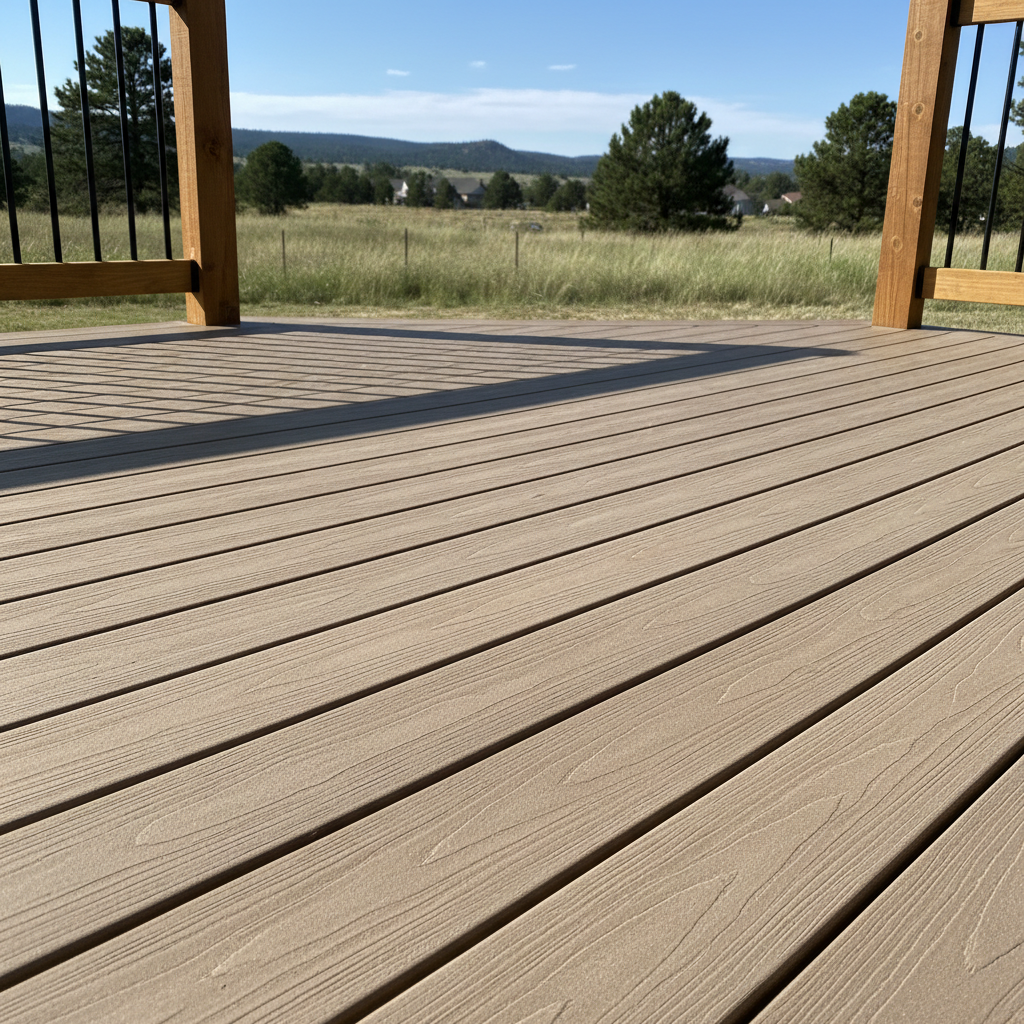
Thinking about adding a deck to your Rapid City home? Honestly, that's a fantastic idea. A good deck doesn't just bump up your home's value; it gives you this amazing outdoor spot to relax or entertain. But I get it, you've probably got questions, maybe even a whole bunch of 'em. I've been building decks around here for ages, and I keep hearing the same things come up. So, let's just skip the fluff and dive right into answering some of the most common questions I get asked.
Do I really need a permit for a deck in Rapid City?
Yep, you absolutely, 100% do. Don't let anyone tell you otherwise, and seriously, don't try to sneak around it. Rapid City's building department is super clear on this: any deck that's more than 30 inches off the ground at any point, or one that's attached to the house, needs a permit. Even if it's lower, if it covers more than 200 square feet, you'll still need one. It's not just about following the rules, though; it's about keeping everyone safe. A permit means your deck gets inspected, making sure it's built to code, strong enough to handle our Black Hills winters, and safe for your family. Skimping here could lead to some pretty big headaches later on, everything from insurance problems to having to tear the whole thing down and rebuild it. Nobody wants that.
How long does a typical deck construction project take?
That's a tricky one to give a single answer to, honestly, because it really depends on a few things: the deck's size, how complex the design is, and what materials you pick. Generally, for a standard 12x16 or 12x20 deck, once we've got the permits and all the materials ready to go, we're usually looking at anywhere from two to four weeks from the moment we break ground until that last railing cap is on. That timeframe includes digging footings, framing, putting down the decking, and installing railings. If you're going for something super intricate, or a multi-level design, or if we hit a stretch of crummy weather – which, let's be real, happens a lot here in the spring – it could take a bit longer. Good communication with your builder is key here; they should definitely keep you in the loop on how the timeline is shaping up.
What's the deal with frost heave and footings in our soil?
Ah, frost heave. That's a huge one for us here in Rapid City. Our winters get seriously cold, and the ground freezes deep. When water in the soil freezes, it expands, pushing things up – that's frost heave in action. If your deck footings aren't deep enough or designed correctly, your deck can literally lift and settle unevenly, causing all sorts of structural nightmares. That's why the Rapid City building code says footings need to be at least 42 inches below grade. We often go even deeper, especially if we're working in areas with a lot of clay or poor drainage, like some of those older neighborhoods around West Boulevard. You want those footings safely below the frost line to keep your deck rock-solid stable all year long. Don't let anyone cut corners on this; it's literally the foundation of your entire deck.
What's the best material for a deck in our climate?
There's no single